
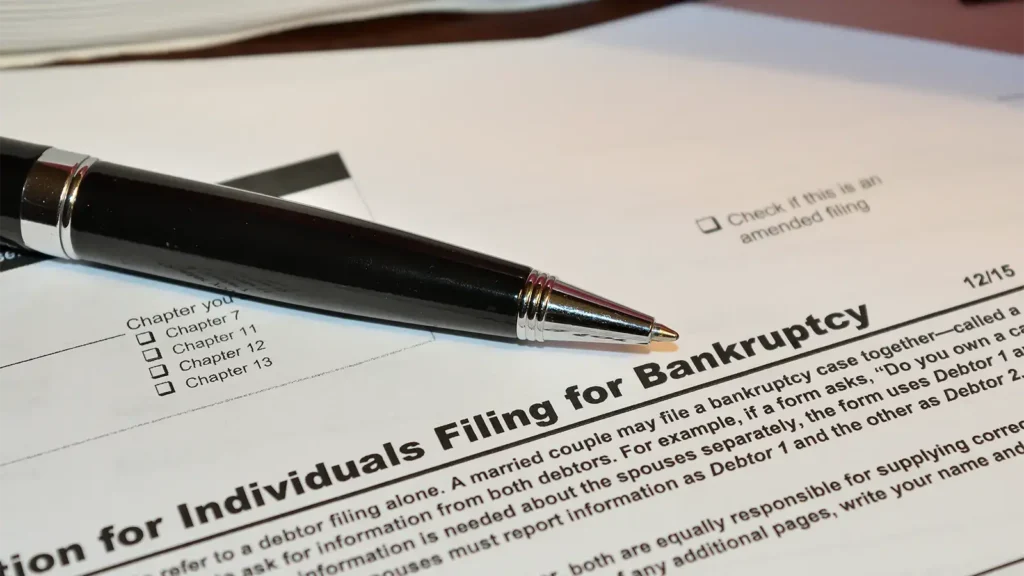
Facing overwhelming debt is one of the most stressful experiences a person can go through. When collection calls don’t stop, medical bills pile up, or the threat of wage garnishment looms over your paycheck, it’s easy to feel completely trapped. Bankruptcy is a powerful legal tool designed to give honest people a fresh financial start, but it’s not a decision you should make blindly. The process is complex, governed by strict state and federal rules, and the choices you make early on will impact your financial future for years. Before moving forward with any filing, your first step should be sitting down for a thorough consultation with a Utah bankruptcy lawyer. However, not all legal counsel is the same.
To ensure your assets are protected and your debts are successfully discharged, you need to verify you’re working with someone who truly understands the unique landscape of local courts. Here are five essential questions you should ask a Utah bankruptcy lawyer before deciding to file your case.
1. Which Type of Bankruptcy is Right for My Specific Situation?
The two most common paths for individual consumers are Chapter 7 and Chapter 13 bankruptcy. They function very differently, and the right path depends heavily on your income, your assets, and your financial goals.
- Chapter 7 Bankruptcy: Often called liquidation bankruptcy, this option is designed to quickly wipe out unsecured debts like credit card balances, personal loans, and medical bills. To qualify, you must pass a means test that compares your household income to the median income in Utah.
- Chapter 13 Bankruptcy: This acts as a reorganization plan. If your income is too high for Chapter 7, or if you’re trying to catch up on missed mortgage payments to save your home from foreclosure, Chapter 13 allows you to consolidate your debts into a manageable three-to-five-year repayment plan.
Your attorney should be able to look at your financial history and give you a clear, definitive explanation of why one chapter serves your long-term interests better than the other.
2. Can I Keep My Home, Car, and Personal Property Under Utah Exemptions?
The biggest fear most people have when filing for debt relief is that the court will take away everything they own. Fortunately, the system is designed to help you get back on your feet, not leave you completely destitute. When you file, you utilize bankruptcy exemptions to protect your property from being liquidated by the trustee.
However, Utah has unique laws regarding property exemptions. Unlike some states where filers can choose between federal and state exemptions, Utah requires you to use the state-specific statutes. You need to ask a Utah bankruptcy lawyer exactly how these rules apply to your specific belongings:
- The Homestead Exemption: How much equity in your primary home can you protect from creditors?
- Vehicle Protections: Is the equity in your daily-drive vehicle fully covered, or do you risk losing it if it is completely paid off?
- Personal Belongings: Are your household goods, retirement accounts, and tools of your trade safe from being sold?
An experienced local attorney will carefully review your assets ahead of time to ensure everything possible is legally shielded before your paperwork ever hits the court system.
3. What Information and Documentation Do I Need to Provide to Get Started with a Utah Bankruptcy Lawyer?
Filing for bankruptcy isn’t just a matter of filling out a quick form; it requires a substantial amount of documentation to prove your financial standing to the court. Asking about the specific requirements early on keeps you from running into unexpected delays.
To get a clear picture of what lies ahead, ask your attorney for a comprehensive checklist. Generally, the court system will require:
- Income Verification: Pay stubs covering at least the last seven months of your employment.
- Tax Documentation: Copies of your federal and state tax returns for the previous four years.
- Asset and Debt Lists: A complete, honest accounting of every single person or company you owe money to, along with everything you own, down to your household furniture.
At Rulon T. Burton & Associates, we provide clients with streamlined bankruptcy worksheets to transform a daunting mountain of paperwork into a simple, organized process. If you come prepared with your documentation ready, our team can often file your case and put immediate legal protections in place within twenty-four business hours.
4. How Much Experience Do You Have in the Utah Bankruptcy Court System?
Bankruptcy is a highly specialized field of law. A general practitioner who handles a little bit of everything might not be aware of the specific procedural quirks, local rules, or trustee preferences in Utah.
You should ask how long the firm has been practicing locally and how many cases they actively manage. Working with a dedicated team means your attorney will know exactly what local trustees look for, how to avoid common filing traps, and how to position your case for a smooth, successful discharge.
5. What Happens Immediately After My Case is Filed?
Understanding the immediate timeline gives you peace of mind during a turbulent transition. You should ask your attorney how quickly your creditors will be notified and what your responsibilities are moving forward.
The moment your paperwork is submitted to the court, a powerful legal injunction called the automatic stay goes into effect. This instantly prohibits creditors from calling you, sending demand letters, continuing with lawsuits, or garnishing your wages. Your attorney will take over all communications with your creditors and the court-appointed trustee, allowing you to finally breathe easy.
You will also want to ask about the mandatory credit counseling courses required by federal law, which you can read about in detail on the U.S. Courts Bankruptcy Basics portal.
Take Control of Your Financial Future Today with the Help of a Utah Bankruptcy Lawyer
You don’t have to carry the heavy burden of crushing debt on your own. By asking the right questions, you can find a legal partner who will demystify the process, safeguard your hard-earned assets, and guide you toward a clean slate. If you’re ready to explore your options and stop creditor harassment for good, reach out to Rulon T. Burton & Associates today to schedule your confidential consultation.