
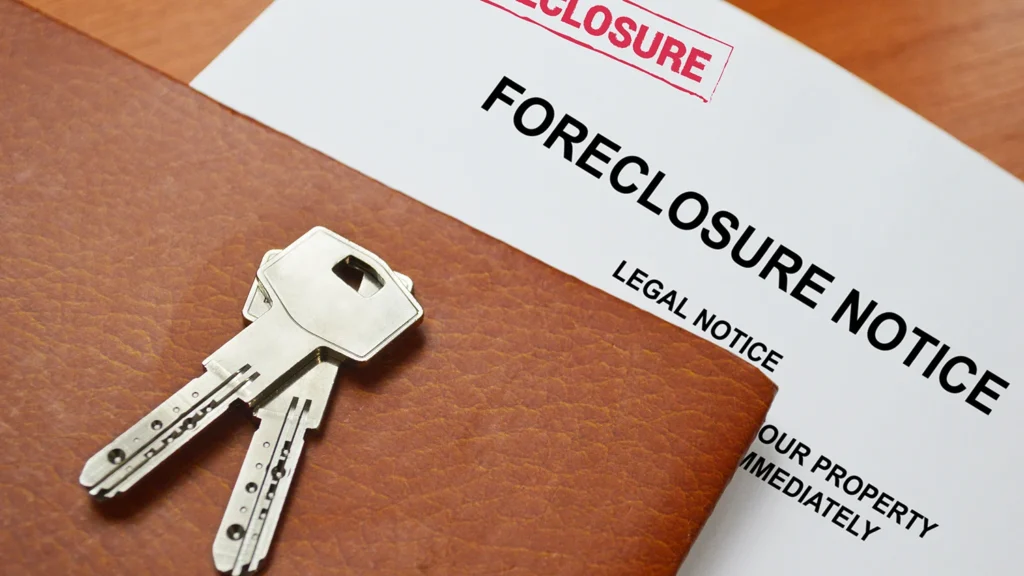
The moment you receive a notice from your lender or realize you can no longer keep up with your monthly mortgage payments, a sense of panic often sets in. For many Utah families, the fear of losing a home is the ultimate financial nightmare. However, it’s important to understand that facing property foreclosure does not mean your situation is hopeless. In Utah, the foreclosure process follows specific legal timelines, and there are several strategic interventions—ranging from loan mitigation to filing for bankruptcy—that can halt the process and give you the breathing room you need to save your home.
At Rulon T. Burton & Associates, we have spent over 40 years helping Utahns navigate the complexities of debt and homeownership. We know that the most critical factor in a successful outcome is how quickly you react. If you’re currently staring down the possibility of a foreclosure sale, here are the key steps you must take immediately to protect your property and your future.
1. Do Not Ignore the Mail
It sounds simple, but the most common mistake homeowners make is ostriching—burying their head in the sand and ignoring the mounting pile of letters from the bank. In Utah, most foreclosures are nonjudicial, meaning they move quickly and do not require a court order.
Under federal law, a mortgage servicer typically cannot officially begin the foreclosure process until you’re more than 120 days delinquent. During this time, you will receive breach letters or notices of intent. These documents are not just threats; they contain vital information about your Single Point of Contact (SPOC) at the bank and the specific amount needed to cure the default. Opening this mail is the first step toward reclaiming control.
2. Understand the Utah Property Foreclosure Timeline
Knowledge is power. To fight back effectively, you need to know exactly where you stand in the legal process. The Utah nonjudicial foreclosure process generally follows these stages:
- Pre-foreclosure Notice: Your lender must mail you a notice at least 30 days before filing a formal Notice of Default. This letter must outline how much you owe to catch up and provide contact info for foreclosure relief.
- Notice of Default (NOD): Once the trustee records this at the county recorder’s office, the three-month clock begins. You have exactly three months from this recording date to reinstate your loan by paying the past-due amount plus fees.
- Notice of Trustee’s Sale: If the default isn’t cured within three months, the trustee will set a sale date. They must mail you this notice at least 20 days before the sale and publish it in a local newspaper.
3. Contact Your Servicer for Loss Mitigation
Lenders are in the business of making money through interest, not owning and selling real estate. Most banks would prefer to keep you in the home if there is a viable path for repayment. As soon as you realize you’re in trouble, call your servicer and ask about loss mitigation options.
Common alternatives to property foreclosure include:
- Loan Modification: Changing the terms of your loan (e.g., lower interest rate or longer term) to make the monthly payment more affordable.
- Forbearance: A temporary reduction or suspension of payments, usually followed by a plan to catch up later.
- Repayment Plan: Adding a portion of your overdue amount to your regular monthly payments until you’re current.
4. Consult with a HUD-Approved Housing Counselor
If talking to the bank feels overwhelming, you don’t have to do it alone. The U.S. Department of Housing and Urban Development (HUD) provides access to certified housing counselors who can help you evaluate your finances and negotiate with your lender for free or at a very low cost. You can find a local counselor through the HUD.gov website to ensure you’re receiving legitimate, non-biased advice.
5. Evaluate the Power of the Automatic Stay
If negotiations with the bank have stalled and a sale date is looming, the most effective legal tool available to stop property foreclosure in its tracks is filing for bankruptcy.
When you file for Chapter 7 or Chapter 13 bankruptcy in Utah, an Automatic Stay is immediately enacted. This is a powerful federal injunction that legally prohibits creditors from continuing with collection actions, including the foreclosure sale of your home.
- Chapter 13 Bankruptcy: Often called a wage earner’s plan, this is the preferred route for homeowners who want to keep their property. It allows you to wrap your mortgage arrears into a 3-to-5-year repayment plan. As long as you make your new plan payments and stay current on your ongoing mortgage, the bank cannot take your home.
- Chapter 7 Bankruptcy: While this may not provide a long-term solution to keep the home if you’re far behind, it can delay the sale by several months, giving you time to save money and find new housing, while also discharging other unsecured debts like credit cards and medical bills.
Why Timing is Everything in a Property Foreclosure
In Utah, once the trustee’s sale occurs and the gavel falls, your right to redeem or buy back the property is generally gone. Unlike some other states, Utah does not have a post-sale redemption period for nonjudicial foreclosures. This means that if you wait until the day after the auction to seek legal help, it’s likely too late to save the home.
By acting while you’re still in the three-month Notice of Default period, you have the maximum number of legal options. Whether it’s negotiating a deed-in-lieu of foreclosure to protect your credit or filing a Chapter 13 to force a repayment schedule on a stubborn lender, your chances of success diminish every day you wait.
Watch Out for Scams
When you’re in financial distress, you become a target for foreclosure rescue scams. Be wary of any company that:
- Guarantees they can stop the foreclosure.
- Tells you to stop communicating with your attorney or lender.
- Asks for an upfront fee before providing any services.
- Asks you to sign over the deed to your home.
Legitimate legal help comes from licensed attorneys and HUD-approved counselors, not from consultants who reach out to you via unsolicited flyers or phone calls.
Protecting Your Equity and Your Future
Even if you decide that you cannot afford to keep the home, you still need to take steps to protect yourself from a deficiency judgment. In Utah, if your home sells at auction for less than what you owe, the lender can sue you for the difference. An experienced bankruptcy attorney can help ensure that you aren’t pursued for thousands of dollars after you have already lost your property.
Dealing with the threat of losing your home is an emotional and exhausting experience. It’s easy to feel like the bank holds all the cards, but the law provides specific protections designed to give homeowners a fair shake. From the initial breach letter to the final sale, you have rights—but those rights must be exercised.
Get the Legal Help You Need Today for Property Foreclosure
If you’re facing property foreclosure in Utah, don’t wait for the sheriff to knock on your door. At Rulon T. Burton & Associates, we specialize in helping individuals and families use the bankruptcy code to halt foreclosures, eliminate overwhelming debt, and find a fresh financial start. We offer a free, confidential consultation to review your specific situation and explain how we can help you keep your home.
Ready to take the first step toward financial peace of mind? Contact Rulon T. Burton & Associates today to schedule your free consultation. Let our experienced Utah bankruptcy attorneys show you the path forward. Whether you need to file for Chapter 13 today to stop a sale or simply need to understand your options, we are here to fight for you.