
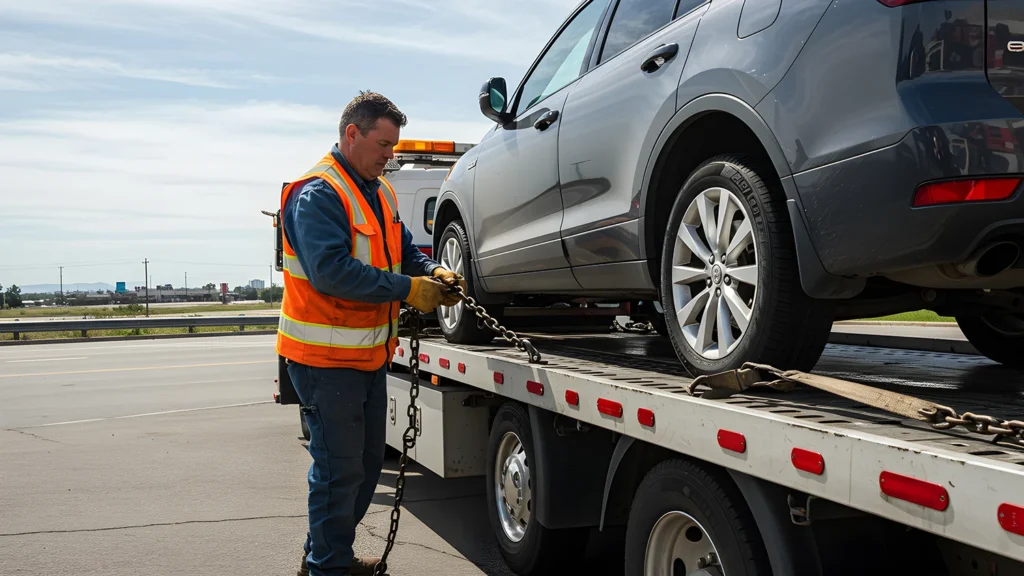
Waking up to find your driveway empty is a nightmare no one should have to experience. Whether it’s the car you use to get to work or the equipment you need for your small business, repossession can derail your life in a matter of minutes. For many residents, understanding Utah repossession laws is the first step toward regaining control. When financial hurdles like medical bills or job loss lead to missed payments, it’s easy to feel like the power is entirely in the hands of the lender. However, the law provides specific protections for consumers that, when utilized correctly, can help you stop a repossession in its tracks or even get your property back.
At Rulon T. Burton & Associates, we’ve spent over four decades helping Utahns navigate the complexities of debt and asset protection. We know that the legal system can feel cold and rigid, but you have rights that are designed to prevent lenders from overstepping. In this guide, we’ll break down exactly what the law allows, what it forbids, and how a strategic legal approach can provide the automatic stay you need to breathe again.
The Basics of Utah Repossession Laws
In Utah, most vehicle and equipment loans are secured debts. This means the property itself serves as collateral for the loan. If you fail to meet the terms of your contract—usually by missing a payment—the lender has the right to take the property back.
One of the most surprising aspects of Utah repossession laws is that a lender can often repossess a vehicle after just one missed payment. Furthermore, Utah is a self-help state, meaning creditors do not necessarily need a court order to take your car. They can simply hire a repossession agent to find the vehicle and tow it away.
Understanding Breach of Peace
While lenders have the right to take the property, they do not have a license to act outside the law. Utah Code Title 70A specifies that a secured party may take possession of collateral without judicial process only if it proceeds without a breach of the peace.
What constitutes a breach of the peace? Generally, a repo agent cannot:
- Use or threaten physical force against you.
- Break into a locked garage or a fenced area.
- Damage your other property while trying to get to the vehicle.
- Continue the repossession if you are physically present and protesting (though you should never escalate a situation to violence).
If a lender or their agent violates these rules, they may be liable for damages. In some cases, the repossession itself could be deemed invalid.
Utah Repossession Laws: Your Rights After the Seizure
If your vehicle has already been taken, the clock starts ticking immediately. You still have rights regarding your personal property and the eventual sale of the vehicle.
Your Personal Belongings
A lender has a lien on your car, but they do not have a lien on the contents inside it. If your gym bag, laptop, or child’s car seat was in the vehicle when it was towed, the repossession company must allow you a way to retrieve those items. They cannot hold your personal property hostage to force you to pay the car loan. It’s vital to contact the lender immediately to arrange a time to collect your belongings before the car is moved to a different lot or prepared for auction.
Notice of Sale
The lender cannot just keep the car forever; they usually intend to sell it to recover their losses. Under Utah repossession laws, the creditor must send you a written Notice of Our Plan to Sell Property. This notice must inform you:
- Whether the car will be sold at a public auction or a private sale.
- Date, time, and place of public sale.
- How much you owe to redeem the vehicle (pay it off entirely) before the sale.
The Deficiency Balance Trap
This is where many Utahns are in serious trouble. If your car is sold at auction for $8,000, but you still owe $12,000 on the loan, you are responsible for the $4,000 difference, known as a deficiency balance. The lender can sue you for this amount, which can eventually lead to wage garnishment or bank levies.
However, there’s a small safe harbor in Utah. If the original cash price of the vehicle was $3,000 or less, the lender generally cannot pursue you for a deficiency balance after repossession. For most modern car loans, however, the deficiency remains a looming threat that only a legal intervention like bankruptcy can fully discharge.
How Bankruptcy Can Stop Repossession
If you’re facing an imminent repossession or have lost your car within the last few days, filing for bankruptcy is often the most powerful tool available. The moment you file for Chapter 7 or Chapter 13 bankruptcy, a legal injunction called the Automatic Stay goes into effect.
The Automatic Stay acts as a legal shield. It immediately prohibits creditors from starting or continuing any collection actions. This includes:
- Foreclosures
- Wage garnishments
- Harassing phone calls
- Repossessions
If your car is scheduled to be picked up tonight, filing for bankruptcy today stops the tow truck in its tracks. If the car was taken yesterday but hasn’t been sold yet, we can often use the bankruptcy filing to force the lender to return the vehicle to you.
Chapter 7 vs. Chapter 13: Which is Right for You?
- Chapter 7 Bankruptcy: This is often called a liquidation bankruptcy. It can wipe out your responsibility for a deficiency balance if you choose to give the car up. If you want to keep the car, you usually have to be current on your payments and reaffirm the debt.
- Chapter 13 Bankruptcy: This is a reorganization plan. It is incredibly effective for saving a car. You can roll your past-due payments into a 3-to-5-year repayment plan, often with a lower interest rate. In some cases, we can even perform a cramdown, where you only pay back the current fair market value of the car rather than the full loan balance.
For a deeper look at the specific statutes governing these transactions, you can review the Utah Uniform Commercial Code – Secured Transactions, which outlines the legal framework for defaults and disposals.
Why Experience Matters in Utah Debt Relief
Navigating Utah repossession laws is not something you should do alone. Lenders have teams of attorneys working to protect their interests; you deserve the same. At Rulon T. Burton & Associates, we understand each financial situation is unique. We don’t just see a case number; we see a family trying to keep their lives together.
Since 1981, our firm has stood as a pillar of support for the Salt Lake City community and throughout the state of Utah. We pride ourselves on being approachable and transparent. We know that the decision to file for bankruptcy is heavy, and we are here to provide the clarity and steady advocacy you need to move forward.
Steps to Take Right Now
- Don’t Hide the Vehicle: While it’s tempting, hiding the car in a neighbor’s garage can lead to theft of services or other legal complications.
- Document Everything: If a repo agent was aggressive or damaged your property, take photos and write down exactly what happened.
- Gather Your Documents: Locate your original loan agreement and any correspondence from the lender.
- Seek Legal Counsel: Timing is everything. The sooner you speak with a bankruptcy attorney, the more options we have to protect your assets.
Don’t let the fear of a tow truck keep you up at night. There is a path to financial renewal, and it starts with understanding your rights and taking decisive action.
Contact Rulon T. Burton & Associates Today
If you are worried about your vehicle being taken or are struggling with a mounting deficiency balance, let our family help yours. We offer comprehensive evaluations to determine whether Chapter 7 or Chapter 13 is the right roadmap for your recovery.
Contact us today for a free consultation and take the first step toward a fresh financial start.