
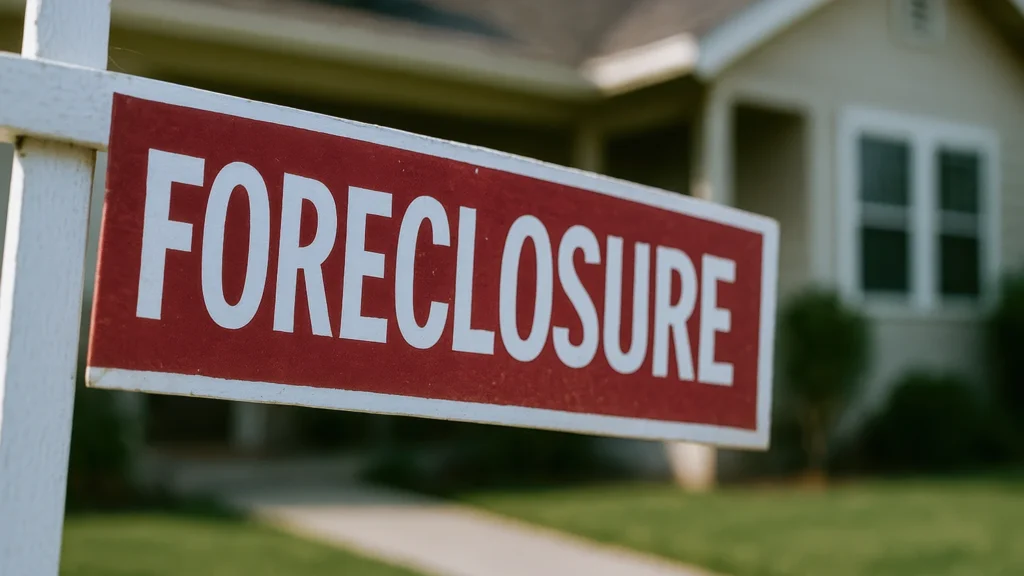
Facing the prospect of losing your home is one of the most stressful experiences a family can endure. In the Beehive State, where the housing market remains competitive and the cost of living continues to fluctuate, many homeowners find themselves unexpectedly falling behind on mortgage payments. When the Notice of Default arrives, it can feel like a countdown to an inevitable loss. However, it’s important to realize that a notice is not an eviction order. By working with an experienced Utah foreclosure attorney, you can navigate the complex legal landscape of debt relief and find a viable path to saving your residence. At Rulon T. Burton & Associates, we’ve spent decades helping Utahns protect their property and regain their financial footing through strategic legal intervention.
Understanding the Foreclosure Timeline in Utah
Utah primarily utilizes a nonjudicial foreclosure process, which means the lender does not necessarily have to go to court to take back a property. This process moves significantly faster than judicial foreclosures found in other states. Because of this speed, time is essential. Generally, the process follows a specific statutory timeline:
- The Breach Letter: Usually, after 120 days of delinquency, federal law allows the servicer to begin the process. You’ll receive a breach letter or a pre-foreclosure notice giving you 30 days to cure the default.
- Notice of Default (NOD): This is the formal start of the foreclosure in Utah. Once recorded by the trustee at the County Recorder’s office, you enter a three-month reinstatement period.
- Notice of Trustee’s Sale: If the default isn’t cured within those three months, the trustee will set a sale date. They must provide at least 20 days’ notice before the auction occurs.
Without a Utah foreclosure attorney to intervene, these deadlines can pass in a blur, leaving you with very few options once the property is sold at auction. Utah law does not provide a right of redemption after a nonjudicial foreclosure sale, meaning once the gavel falls, the home is gone.
How a Utah Foreclosure Attorney Can Stop the Sale
The most powerful tool available to a homeowner facing a trustee sale is the federal bankruptcy code. When you file for bankruptcy, an Automatic Stay is immediately enacted. This legal injunction halts all collection activities, including foreclosure auctions, repossessions, and wage garnishments.
Even if your home is scheduled for auction tomorrow, filing a bankruptcy petition today can legally stop that sale in its tracks. This gives you the breathing room necessary to evaluate your finances without the immediate threat of displacement. A skilled attorney will help you determine which chapter of bankruptcy best serves your goal of home preservation.
Chapter 13: The Homeowner’s Best Defense
For most individuals looking to save their primary residence, Chapter 13 bankruptcy is the preferred route. Often referred to as a wage earner’s plan, Chapter 13 allows you to keep your assets while reorganizing your debt into a manageable three-to-five-year payment plan.
- Curing the Arrearage: In a Chapter 13 filing, you can take the total amount you are behind on your mortgage (the arrears) and spread those payments out over the life of your 36-to-60-month plan. As long as you make your current monthly mortgage payments, the lender cannot foreclose.
- Lien Stripping: In some cases, if your home has significantly decreased in value and you have a second or third mortgage (like a HELOC) that is no longer supported by the home’s equity, a Utah foreclosure attorney may be able to strip those junior liens, reclassifying them as unsecured debt.
- Asset Protection: Unlike Chapter 7, where a trustee might sell non-exempt assets to pay creditors, Chapter 13 focuses on repayment from future income, allowing you to keep your home, vehicles, and personal property.
The Role of Utah’s Homestead Exemption
Whether you choose Chapter 7 or Chapter 13, understanding the Utah Homestead Exemption is critical. As of 2026, Utah law provides specific protections for the equity in your primary residence. For a single individual, the exemption allows you to protect a significant portion of your home’s value from creditors. For married couples filing jointly, this amount effectively doubles.
These exemptions ensure that even in a bankruptcy scenario, your home equity—up to the legal limit—remains yours. Navigating these limits requires precision. If you miscalculate your equity or fail to properly disclose assets, you risk the court denying your petition. This is where the meticulous case preparation provided by Rulon T. Burton & Associates becomes invaluable. We analyze your home’s fair market value against your current mortgage balance to ensure your property falls safely within the protected limits.
Alternatives to Bankruptcy
While bankruptcy is a robust shield, it isn’t the only tool a Utah foreclosure attorney can use. Depending on your specific financial situation, we may explore:
- Loan Modification: We can negotiate directly with your lender to alter the terms of your loan, such as lowering the interest rate or extending the loan term to reduce monthly payments.
- Forbearance Agreements: If your financial hardship is temporary (such as a medical emergency or short-term job loss), we can negotiate a period where payments are paused or reduced.
- Short Sale or Deed in Lieu: If keeping the home is no longer feasible or desired, we can help you exit the property gracefully without the long-term credit damage of a formal foreclosure.
For homeowners looking for additional government-backed resources and counseling, the U.S. Department of Housing and Urban Development (HUD) provides comprehensive guides on loss mitigation and state-specific programs that can supplement your legal strategy.
Why Experience Matters at Rulon T. Burton & Associates
Debt and property laws in Utah are nuanced. Choosing the right legal partner means finding someone who understands the local courts, the specific trustees, and the tactics used by major lending institutions. Since 1981, Rulon T. Burton & Associates has been a staple of the Salt Lake City legal community. Our attorneys, including Justin Burton and Scott T. Blotter, bring decades of combined experience to the table.
We don’t just fill out forms; we build a comprehensive roadmap for your financial recovery. Our process includes:
- A thorough evaluation of your income, debts, and assets.
- Direct communication and transparent explanations of every legal step.
- Swift filing capabilities to trigger the automatic stay as quickly as possible.
- Dedicated support from a team of paralegals with over 40 years of specialized experience in Utah bankruptcy filings.
Take Action with a Utah Foreclosure Attorney Before It’s Too Late
The biggest mistake a homeowner can make is waiting too long. Many people ignore the letters and phone calls, hoping their situation will improve on its own. Unfortunately, the foreclosure clock in Utah does not stop unless you take proactive legal action.
By the time a Notice of Sale is posted on your front door, your options have narrowed significantly. However, even at that late stage, a Utah foreclosure attorney can often file an emergency petition to halt the auction. The goal is to move from a defensive position—where you are reacting to the bank—to an offensive position, where you are using the law to dictate the terms of your financial future.
Contact Rulon T. Burton & Associates Today
You don’t have to face foreclosure alone. At Rulon T. Burton & Associates, we provide a compassionate, judgment-free environment where your home’s security is our top priority. We serve clients across Salt Lake City and the surrounding areas, offering the expertise needed to navigate even the most complex financial crises.
Contact us today to schedule your free consultation and take the first step toward saving your home.